
This page is a quick list collection of what I’ve read this year. Books are listed in order of completion, not a ranking.
- Under The Bar, by Dave Tate
- City of Thieves, by David Benioff
- The Rule of Three, by Louie Simmons
- The Short Stories of Breece D’J” Pancake
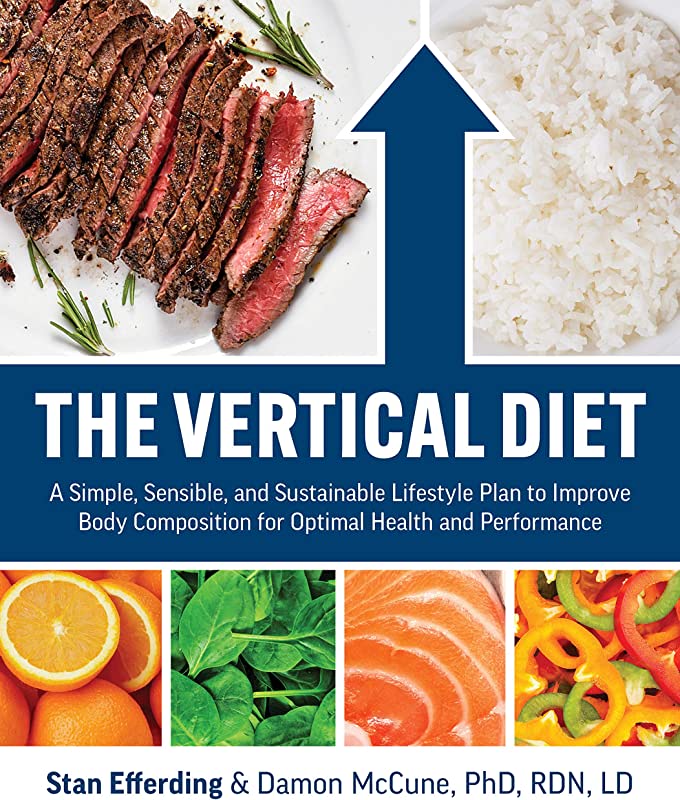
- The Vertical Diet, by Stan Efferding
- Suttree, by Cormac McCarthy
- Stuff Every Beer Snob Should Know, by Ellen Goldstein
- Can’t Hurt Me, by David Goggins
- Stan Lee’s Alliances: A New Reality, by Kat Rosenfield, Luke Lieberman, Ryan Silbert
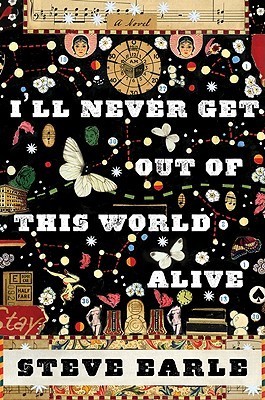
10. I’ll Never Get Out of This World Alive, by Steve Earle
Doc Ebersole lives with the ghost of Hank Williams—not just in the figurative sense, not just because he was one of the last people to see him alive, and not just because he is rumored to have given Hank the final morphine dose that killed him. In 1963, ten years after Hank’s death, Doc himself is wracked by addiction. Having lost his license to practice medicine, his morphine habit isn’t as easy to support as it used to be. So he lives in a rented room in the red-light district on the south side of San Antonio, performing abortions and patching up the odd knife or gunshot wound. But when Graciela, a young Mexican immigrant, appears in the neighborhood in search of Doc’s services, miraculous things begin to happen. Graciela sustains a wound on her wrist that never heals, yet she heals others with the touch of her hand. Everyone she meets is transformed for the better, except, maybe, for Hank’s angry ghost—who isn’t at all pleased to see Doc doing well. A brilliant excavation of an obscure piece of music history, Steve Earle’s I’ll Never Get Out of This World Alive is also a marvelous novel in its own right, a ballad of regret and redemption, and of the ways in which we remake ourselves and our world through the smallest of miracles.–Goodreads.
This was…really good. I know I’m a Steve Earle fan boy, but I swear this one holds up on its own merits. Similar thematically to Mercy Street, which I reviewed last year, I enjoyed this one more.
11. Songs That Shook The Planet: Words + Music Vol. 26, by Chuck D
Hip-hop pioneer Chuck D, the legendary lyricist and cofounder of Public Enemy, takes listeners on an extraordinary journey through politically and socially conscious music. Part history lesson and part memoir, Songs That Shook the Planet spans genres and decades to call out the brave artists who continue to inspire necessary change in the world.
Songs included: Strange Fruit, People Get Ready, A Change Is Gonna Come, War, What’s Going On?, Living For The City, Get Up Stand Up, Nelson Mandela.
I have enjoyed the selections from the T Bone Burnett-led series on audible I have listened to so far. More podcast than book, Chuck D takes us through some of the songs that meant the most within his world.
12. The Violent Bear It Away, by Flannery O’Connor.
Description:
First published in 1960, The Violent Bear It Away is a landmark in American literature―a dark and absorbing example of the Gothic sensibility and bracing satirical voice that are united in Flannery O’Connor’s work.
In this, O’Connor’s second novel, the orphaned Francis Marion Tarwater and his cousin, the schoolteacher Rayber, defy the prophecy of their dead uncle that Tarwater will become a prophet and baptize Rayber’s young son, Bishop. A series of struggles ensues, as Tarwater fights an internal battle against his innate faith and the voices calling him to be a prophet while Rayber tries to draw Tarwater into a more “reasonable” modern world. Both wrestle with the legacy of their dead relative and lay claim to Bishop’s soul. All this is observed by O’Connor with an astonishing combination of irony and compassion, humor and pathos.
Review: I stopped reading this one on a couple of occasions, struggling to get through the first half. I think that might have been as much the audio performance as the written work. Accents and trouble distinguishing which characters were speaking. I file this under the same realm of Pliny The Elder IPA and Michael Jordan. Probably incredible for the time they came out, but better within the same realm have come since, so if you were exposed to those first, it is tough for them to hold up.
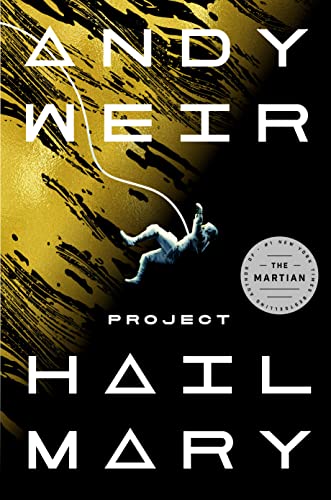
13. Project Hail Mary, by Andy Weir.
Desrciption:
Ryland Grace is the sole survivor on a desperate, last-chance mission—and if he fails, humanity and the earth itself will perish. Except that right now, he doesn’t know that. He can’t even remember his own name, let alone the nature of his assignment or how to complete it. All he knows is that he’s been asleep for a very, very long time. And he’s just been awakened to find himself millions of miles from home, with nothing but two corpses for company. His crewmates dead, his memories fuzzily returning, Ryland realizes that an impossible task now confronts him. Hurtling through space on this tiny ship, it’s up to him to puzzle out an impossible scientific mystery—and conquer an extinction-level threat to our species. And with the clock ticking down and the nearest human being light-years away, he’s got to do it all alone. Or does he?
Review: This was…fun. For a nerd, I do not read a ton of space sci-fi. But this one won a bunch of awards, coming off Weir’s The Martian success. It had plenty of nerdy science problem solving, but done in a way that makes it easy to digest even if you don’t understand the science behind why problems are getting solved. It also had a morality twist or two for the protagonist. I also have a feeling this is one that is better as an audiobook because of the (spoiler alert!) language development stuff. Would recommend to nerd friends, and even tell non nerds not to be scared off from it. Plus, hey, a Ryan Gosling movie is coming, so…
14. If This Isn’t Nice, What Is?, by Kurt Vonnegut.
A collection of commencement speeches and other wit and wisdom from the New York Times–bestselling literary icon and author of Slaughterhouse-Five. Master storyteller and satirist Kurt Vonnegut was one of the most in-demand commencement speakers of his time. For each occasion, Vonnegut’s words were unfailingly insightful and witty, and they stayed with audience members long after graduation. This expanded third edition also includes more than sixty pages of further thoughts from Vonnegut (whose good advice wasn’t limited to graduation speeches). Edited by Dan Wakefield, this book reads like a narrative in the unique voice that made Vonnegut a hero to readers everywhere. Hilarious, razor-sharp, freewheeling, and at times deeply serious, these reflections are ideal not just for graduates but for anyone undergoing what Vonnegut would call their “long-delayed puberty ceremony”—marking the long and challenging passage to full-time adulthood.
Review: This a quick read. Vonnegut had a wit and humor to him that I greatly appreciate. This book collects a few of his speeches. Several of the subjects and jokes are repeated time and again, but it is still worth the short amount of time it takes to read.
15. Finding Balance in a Digital World, By Doreen Dodgen-Magee
Blurb: How do you know if you’re spending too much time with your devices? Tech tools often enhance our lives and open up possibilities for innovation and connection that would be impossible without them. But constant stimulation from devices can also have harmful effects causing stress, depersonalizing interactions, and impacting productivity. So how do you break technology habits you’ve come to rely on throughout the day to stay connected, both professionally and socially? Psychologist Doreen Dodgen-Magee shows how to get the most out of technology while letting go of harmful habits and forming positive new behaviors in their place. From creating tech-free zones to clarifying your values and being fully present for your commitments, Dodgen-Magee’s techniques will change how you engage with your devices so you reach for them more purposefully. You’ll learn how to lose the distractions and intentionally form healthy patterns—habits that actually help you achieve your goals.
Review: This was more podcast/interview than “book”, at just 37 minutes. But it was a quick reminder of the skills we are and are not developing in the an age with constant access to a screen.
16. Old Man’s War, by John Scalzi
Blurb: Perfect for an entry-level sci-fi reader and the ideal addition to a veteran fan’s collection, John Scalzi’s Old Man’s War will take audiences on a heart-stopping adventure into the far corners of the universe. John Perry did two things on his 75th birthday. First he visited his wife’s grave. Then he joined the army. The good news is that humanity finally made it into interstellar space. The bad news is that planets fit to live on are scarce―and alien races willing to fight us for them are common. So: we fight. To defend Earth, and to stake our own claim to planetary real estate. Far from Earth, the war has been going on for decades: brutal, bloody, unyielding. Earth itself is a backwater. The bulk of humanity’s resources are in the hands of the Colonial Defense Force. Everybody knows that when you reach retirement age, you can join the CDF. They don’t want young people; they want people who carry the knowledge and skills of decades of living. You’ll be taken off Earth and never allowed to return. You’ll serve two years at the front. And if you survive, you’ll be given a generous homestead stake of your own, on one of our hard-won colony planets. John Perry is taking that deal. He has only the vaguest idea what to expect. Because the actual fight, light-years from home, is far, far harder than he can imagine―and what he will become is far stranger.
Review: This was a pick from the book club I am in: A Book, A Beer, A Brotherhood. I did not realize going in this was another sci-fi book, so reading it right after Project Hail Mary was pure happenstance. I will say I liked PHM better, but this was still enjoyable. It is an interesting premise setup: using soldiers with a lifetime of experience. Although it did not feel like they explored how that helped them as much as I liked. There was an interesting conversation on what they missed about being “human” that most that led to putting the book down and getting philosophical in my own head for a while. Old Man’s War was the first of a series of books. Our club has not had our discussion on it yet. I’ll be curious to hear others thoughts on this before I decide if I continue on with the series. Again, remember my To Read list is perpetually out of hand. I have too many damn interests.
17. The Drunken Botanist: The Plants That Create The World’s Great Drinks, by Amy Stewart
Blurb: Every great drink starts with a plant. Sake began with a grain of rice. Scotch emerged from barley. Gin was born from a conifer shrub when a Dutch physician added oil of juniper to a clear spirit, believing that juniper berries would cure kidney disorders. “The Drunken Botanist” uncovers the enlightening botanical history and the fascinating science and chemistry of over 150 plants, flowers, trees, and fruits (and even one fungus).
Review: My friend Dena recommended this one to me, as she knows I’m a bit of a nerd and more than a bit of a drinker. I did not love the audiobook, but with some caveats. I listen mostly at 1.5-1.7x speed most days. I tend to only do a chapter or two a day. This book does not lend itself to this format. It is more of a reference book than a narrative one. That being said, I was interested in the subject matter, but think I would have preferred having this as physical read over a sped-up audio version. It is just to info rich and my retention skills were no match consuming it that way. But, apparently I mentioned that I would like to have this on hand for reference often enough my wife bought me a copy. Or, who knows, she may have just wanted to fresh cocktails. There are plenty of recipes to try and now I can easily reference them.
Also, to those who played my trivia contest a few weeks back, be glad I read this after the fact, as the alcohol category would have been much harder.
18. Marvel Super-Heroes Secret Wars (1984), by Mike Zeck.
Blurb: Drawn from Earth across the stars, the Marvel Universe’s greatest villains and heroes are set against one another by the mysterious and unbelievably powerful Beyonder, with the winner promised the ultimate prize. But as battle lines are drawn, new alliances forged and old enemies clash, one among them is not willing to settle for anything less than godhood. Can even the combined might of the Avengers, Spider-Man, the Fantastic Four and the X-Men prevent Dr. Doom from becoming the most powerful being in the universe? Collecting MARVEL SUPER HEROES SECRET WARS #1-12.
Review: Yes, I’m counting this as a book as it was a 12-issue-long event. Secret Wars was released in 1984, largely in an attempt to drive a new toy line, but hey, it became one of the bigger event stories in Marvel history at the time. It was later redone in 2015 and that version is considered top tier storyline. This version has the 80s cheesiness in ample portions, like seemingly half the issues having one character or another tried to get laid. Then again, if I’m facing certain death, I might do the same. So, you do you, Magneto. I am a Doom guy, and this one let Doom do most of the heavy lifting as the villain, so I always appreciate that.
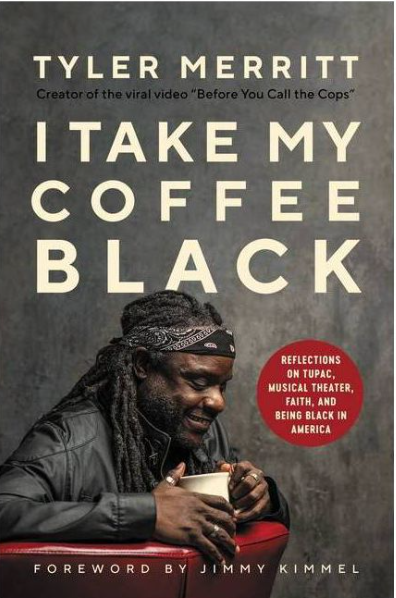
Blurb: In the wake of his deeply powerful viral videos (“Before You Call the Cops” and “Walking While Black”), Tyler Merritt shares his experiences as a black man in America with truth, humor, and poignancy.Tyler Merritt’s video “Before You Call the Cops” has been viewed millions of times. He’s appeared on Jimmy Kimmel and Sports Illustrated and has been profiled in the New York Times. The viral video’s main point—the more you know someone, the more empathy, understanding, and compassion you have for that person—is the springboard for this book. By sharing his highs and exposing his lows, Tyler welcomes us into his world in order to help bridge the divides that seem to grow wider every day. In I Take My Coffee Black, Tyler tells hilarious stories from his own life as a black man in America. He talks about growing up in a multi-cultural community and realizing that he wasn’t always welcome, how he quit sports for musical theater (that’s where the girls were) to how Jesus barged in uninvited and changed his life forever (it all started with a Triple F.A.T. Goose jacket) to how he ended up at a small Bible college in Santa Cruz because he thought they had a great theater program (they didn’t). Throughout his stories, he also seamlessly weaves in lessons about privilege, the legacy of lynching and sharecropping and why you don’t cross black mamas. He teaches readers about the history of encoded racism that still undergirds our society today. By turns witty, insightful, touching, and laugh-out-loud funny, I Take My Coffee Black paints a portrait of black manhood in America and enlightens, illuminates, and entertains—ultimately building the kind of empathy that might just be the antidote against the racial injustice in our society.
Review: This one came highly recommended by a few friends and they were right. I enjoyed my time with spen Tyler during this one. He does a good job of mixing the personal with the overarching societal issues he wanted to explore. This was a book that I thought was one thing going in, but turned out to be another–more personal. It reminded a little in that regard to Pappyland, by Wright Thompson. And yes, this is probably the only review ever that will compare Tyler’s work to that of Wright, a privileged southern white man.
20. The Score Takes Care of Itself: My Philosophy of Leadership, by Bill Walsh
Blurb: Bill Walsh is a towering figure in the history of the NFL. His advanced leadership transformed the San Francisco 49ers from the worst franchise in sports to a legendary dynasty. In the process, he changed the way football is played. Prior to his death, Walsh granted a series of exclusive interviews to bestselling author Steve Jamison. These became his ultimate lecture on leadership. Additional insights and perspective are provided by Hall of Fame quarterback Joe Montana and others. Bill Walsh taught that the requirements of successful leadership are the same whether you run an NFL franchise, a fortune 500 company, or a hardware store with 12 employees. These final words of ‘wisdom by Walsh’ will inspire, inform, and enlighten leaders in all professions.
Review: As a 14-year-old kid, I bought Bill Walsh’s Building A Champion. I read it twice the first weekend I owned it and have always listed it as one of my five favorite books even though I have not read it again since my teenage years. It went into detail on the logistics of how Walsh built the 49ers–plays, draft picks, coaching hires, etc. Turns out, as an adult, I like this one better as it covers the grander scale how, and why. Is this a groundbreaking book on leadership tactics? No. Should a not sports fan read it for leadership advice? Probably not. There are admittedly better leadership books out there. But, this is a perfect blend of the two–sports and character (Have character, don’t be one).
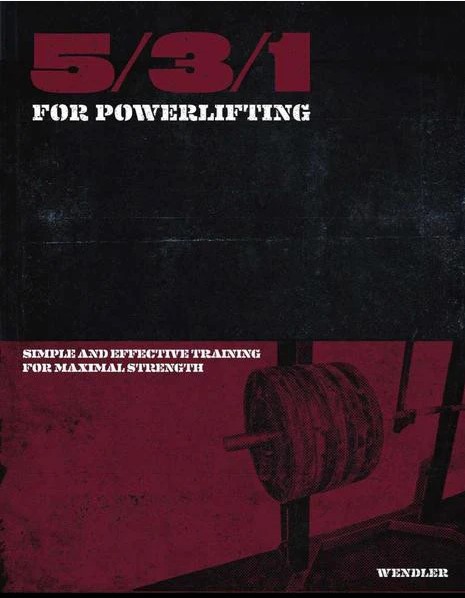
21. 5/3/1 For Powerlifting, by Jim Wendler
Blurb: The 5/3/1 program is one of the most popular and widely used training programs today – and this is because it works. Strength, real strength training, has been lost in the world of fitness. We want heavily knurled bars, chalk and garage gyms. We need heavy squats and deadlifts. We go to extremes for the personal record. There are no secrets to getting strong and the 5/3/1 program has brought back the principles that have been lost among the academics and pencil necks. 5/3/1 for Powerlifting brings the program to the next level. This program remains simple and effective but gives you all the information for how to peak for a meet and display your strength on the platform. Even if you don’t have plans on competing, this book will show you how to push for new one rep maxes and break through barriers. The principles presented in this book have stood the test of time – these have been used by some of the world’s strongest men in their quest for strength and size.
Review: This was a re-read for me. I have the ebook, but loaned my paperback out to someone and I don’t remember who, so I bought it again. Decided to do so because I did my Strongman meet and will be switching my training focus to powerlifting for the back half of 2023. I use 5/3/1 for that, so this was a quick refresher for how to attack that. Wendler is one of my favorite writers in the sport and I’ve been lucky to talk training in person with him a long time ago. If you are serious about getting stronger, read Wendler.
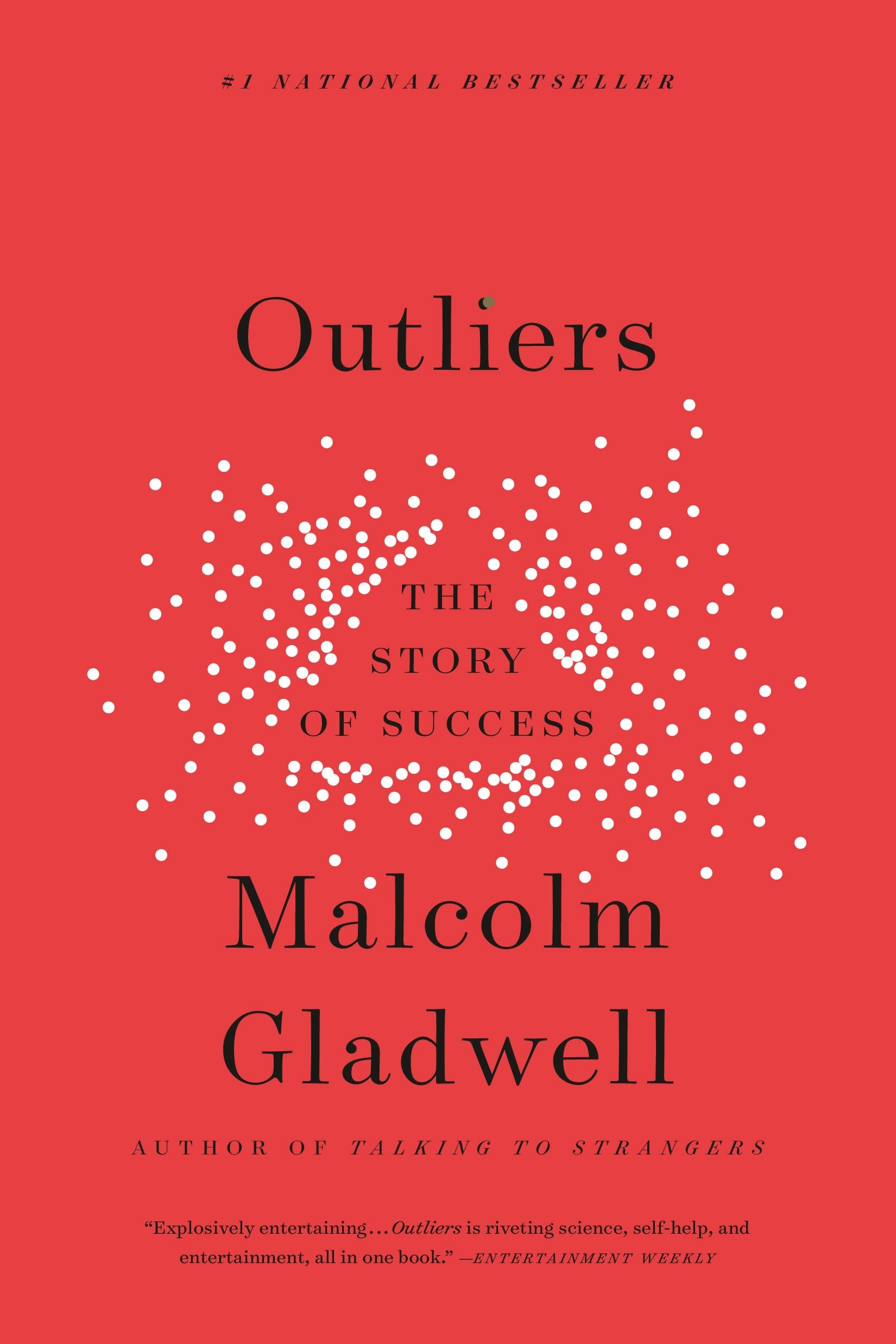
22. Outliers, by Malcolm Gladwell
Blurb: In this stunning new book, Malcolm Gladwell takes us on an intellectual journey through the world of “outliers”–the best and the brightest, the most famous and the most successful. He asks the question: what makes high-achievers different? His answer is that we pay too much attention to what successful people are like, and too little attention to where they are from: that is, their culture, their family, their generation, and the idiosyncratic experiences of their upbringing. Along the way he explains the secrets of software billionaires, what it takes to be a great soccer player, why Asians are good at math, and what made the Beatles the greatest rock band.
Review: This was surprisingly my first Gladwell book. And I say surprisingly because I have listened to several seasons of Revisionist History, his podcast series that looks at the forgotten side of stories. This book fits into that realm, as it takes a look at the seemingly one of a kind success stories and attacks those success factors from a different angle. I enjoy that type of thinkin. Outliers is a little bit of looking at statistics disguised as humans, and humans disguised as statistics. Spoiler alert: the outliers may not be outliers.
23. A Moveable Feast, by Ernest Hemingway
Blurb: Hemingway’s memories of his life as an unknown writer living in Paris in the twenties are deeply personal, warmly affectionate, and full of wit. Looking back not only at his own much younger self, but also at the other writers who shared Paris with him – James Joyce, Wyndham Lewis, Scott and Zelda Fitzgerald – he recalls the time when, poor, happy, and writing in cafes, he discovered his vocation. Written during the last years of Hemingway’s life, his memoir is a lively and powerful reflection of his genius that scintillates with the romance of the city.
Review: I try to read a different Hemingway book before each trip I take to Key West. I read Old Man and the Sea and A Farewell To Arms before my first two trips. On the last one, I grabbed a biography on his time in Key West and read it as well. I’ll be returning in August and went with A Moveable Feast this time. Feast is a diary/memoir of his early career and times in Paris and Europe, and is largely stories of hanging out with others of the Lost Generation. Think lots of name dropping. It also comes across as the drunkard version of Thompson’s drug-fueled Fear and Loathing, leading to questions of the reliability of the author’s versions of stories.
24. Strong & Lean Over 35, by Zach Even-Esh
Blurb: STRONG Over 35 is a short yet powerful ebook giving you the tips you need in training and nutrition to get Leaner, Stronger and in Better shape, even as you “get older.” “Getting Older” is NOT an Excuse to be Weak & Flabby STRONG Over 35 is available HERE and it’s only 7 dollars. NOTE: This is NOT a full blown training course like my programs on Train Heroic…… STRONG Over 35 is a Series of tips and sample workouts for Men 35 & Older so you can take fast action and start getting results today. Now.
Review: This was a short e-book from a strength coach I have followed for years now. I get his emails, I watch his videos. Zach is a Brother In Iron. So for $7 and a quick read, this was a no-brainer. That being said, this is more “refresher” than knowledge. Although if you are not currently on a program and, ahem, getting up there in years, this would be an excellent starting point. It covers the basics well if you don’t already know the basics: lift heavy, lift less heavy for more reps some, move fast, don’t eat like a jackass. It includes some sample workouts and quick diet advice. I did write down some of the warmups in the linked videos. I’m a sucker for warmup variety. Now excuse me while I go do some hindu squats.
25. Wytches (Vol. 1), by Scott Snyder
Blurb: Everything you thought you knew about witches is wrong. They are much darker, and they are much more horrifying. Wytches takes the mythology of witches to a far creepier, bone-chilling place than readers have dared venture before. When the Rooks family moves to the remote town of Litchfield, NH to escape a haunting trauma, they’re hopeful about starting over. But something evil is waiting for them in the woods just beyond town. Watching from the trees. Ancient…and hungry.
Review: While I read mostly superhero comics these days, my first comic love was The Crow, technically filed under the horror umbrella (although I still call it a love story). Scott Snyder is know for his Batman run, but this is what he calls his most personal work. And while built around the idea of the supernatural, Wytches is ultimately about the truly scary things in life: anxiety, fear of failure, or disappointment, or not protecting loved ones, etc. Yeah, it’s deeper than “scary things in woods”. So while Sarah was off in Salem, MA this week chasing “witchy” stuff, I was reading Wytches back home. I’m calling this one a book for logging purposes as it was a six-issue limited comic that works excellently as a graphic novel.
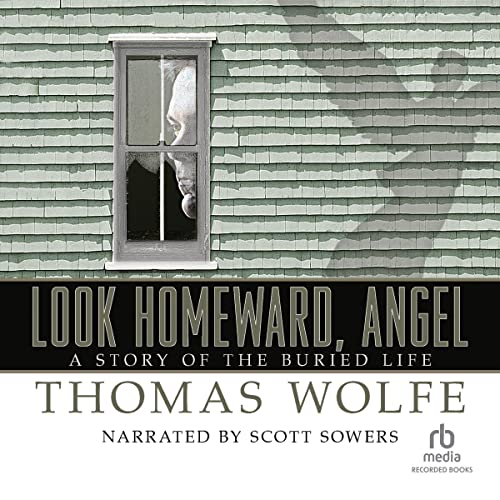
26. Look Homeward, Angel, by Thomas Wolfe.
Blurb: The works of Thomas Wolfe cemented his legacy as one of the very best of the American Southern writers. Wolfe’s largely autobiographical novel features Eugene Gant, who pines for a more expansive life after being born to a father whose bouts of maniacal raving are fueled by a prodigious appetite for drink.
Review: I struggled to get through this one. The writing is certainly fine stylistically, I jus struggled to care about Eugene Gant at all. That is kind of problem when Gant is the central character in this semi autobiographical tale. Written in 1929, this is a coming-of-age story of a kid growing up in a barely functional but still eventually well off despite their disfunction. Much of the story comes across as excuse making and I just never really landed for me.
Think I’m going back to doing new posts for each book. Click the link to see my review.
27. Level Up Your Life, by Steve Kamb
28. Elantris, by Brandon Sanderson
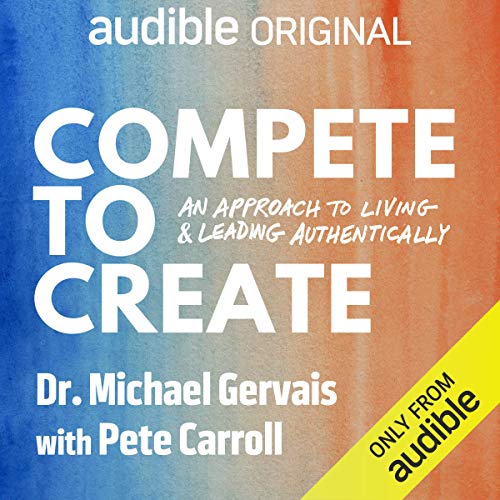
29. Compete to Create, by Dr. Michael Gervais with Pete Carroll
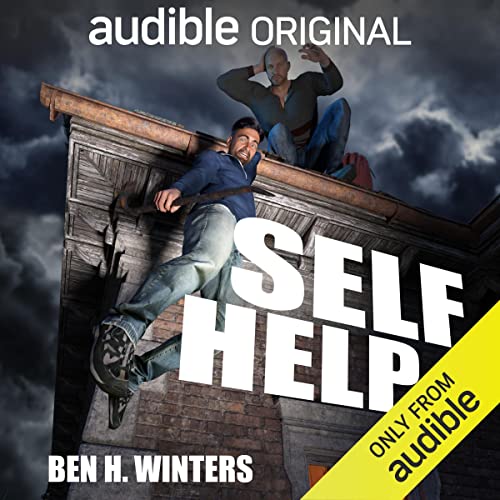
30. Self Help, by Ben H. Winters
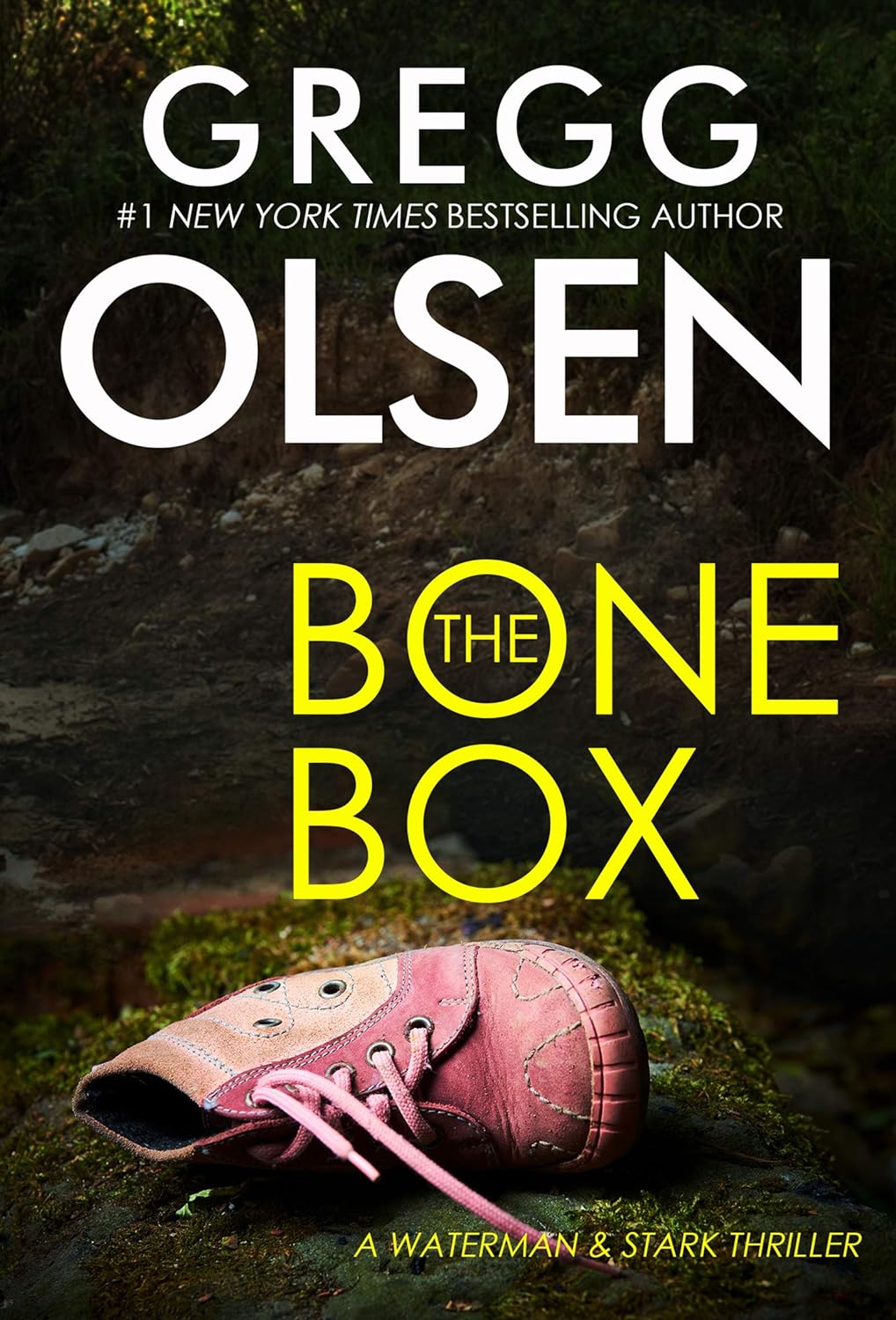
32. The Bone Box, by Gregg Olsen
33. A Study In Scarlet, by Arthur Conan Doyle
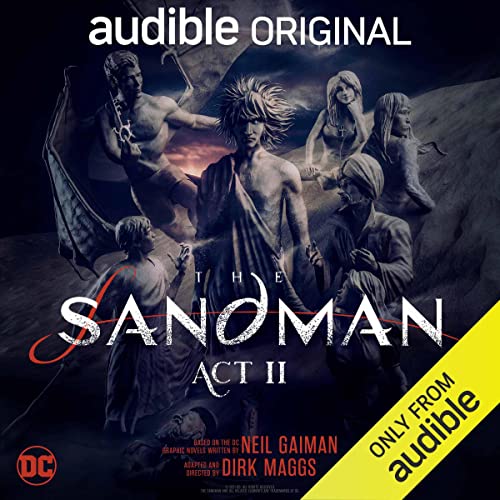
34. The Sandman Act II, by Neil Gaiman
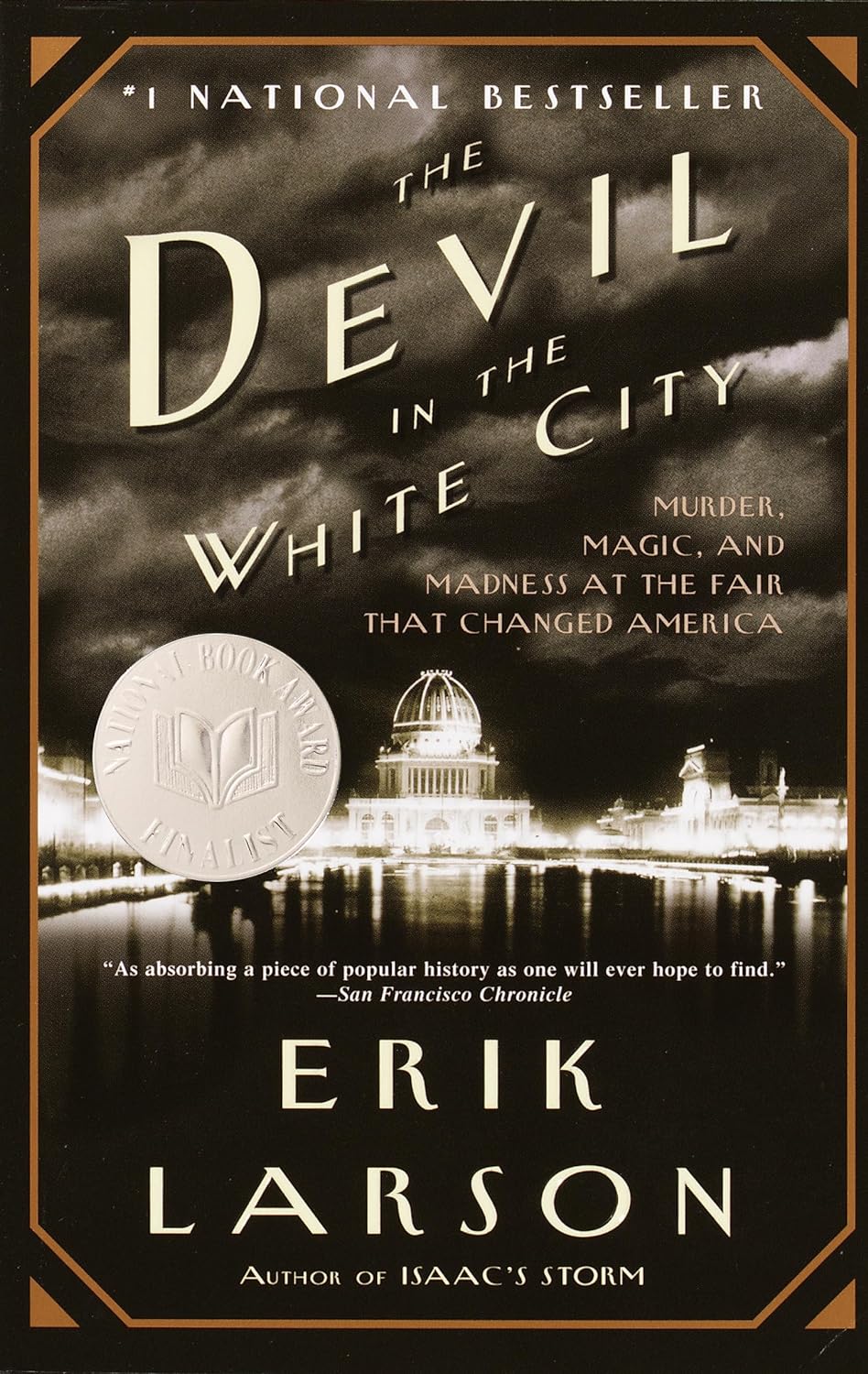
35. The Devil in the White City, by Erik Larson
36. The Six Habits of Growth, by Brendon Burchard
Shooting for 23 books in 2023.
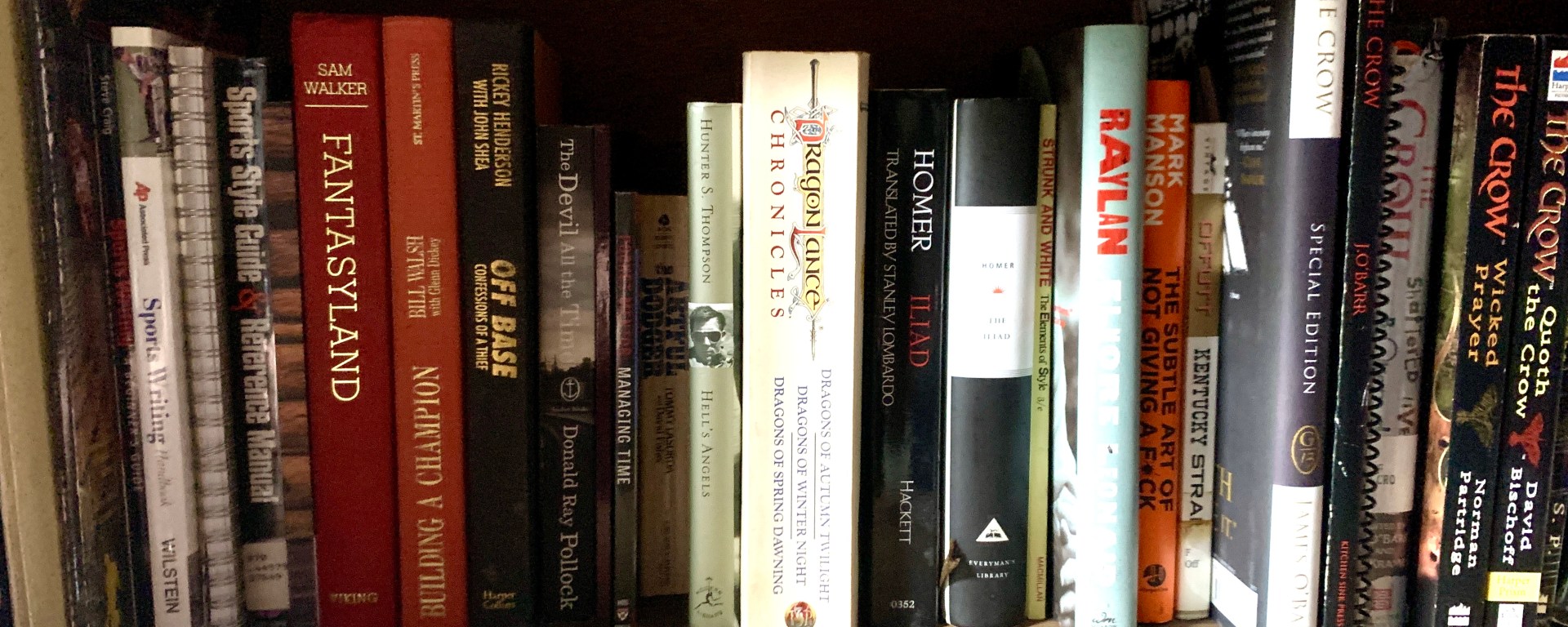
* The picture header is one of my actual bookshelves. Want to know a person? Look at the books they read.
















 I Am Weez